Get a quoate
Cleanroom Temperature and Humidity Requirements & Control Standards
Published : 2026-04-29The control of temperature and humidity in a cleanroom is essential for maintaining product stability, ensuring GMP compliance, and providing a comfortable working environment for personnel.
I. General Requirements for Temperature and Relative Humidity
The primary principle for setting temperature and relative humidity is to balance pharmaceutical production process standards with operator comfort.
- Process Priority: If the production process has defined specific parameters, they must be strictly followed.
- Comprehensive Setting: In the absence of specific process requirements, parameters should be set based on personnel comfort, product characteristics, the number of onsite staff, and operating conditions.
- Standards Reference: According to GB 50457 “Design Standard for Pharmaceutical Industry Clean Buildings”:
- Grades A, B, and C Clean Areas: Temperature 20–24°C, Relative Humidity (RH) 45%–60%.
- Grade D Clean Areas: Temperature 18–26°C, RH 45%–65%.
- Personnel Purification and Living Rooms: Winter 16–20°C, Summer 26–30°C.
II. Special Requirements for Temperature and Relative Humidity
Improper control ranges can directly affect product quality; therefore, indicators must be determined based on product stability studies.
1.Sterile Facility Areas
In Grade A open processing areas where air directly contacts the product, temperature fluctuations can impact quality, requiring strict limit controls.
2.Biological Raw Material Processing Areas
- Settings are primarily aimed at operator comfort, as most processing occurs in Grades C and D using closed operations.
- If production equipment lacks built-in temperature control and it is verified that environment conditions affect stability, HVAC parameters must be listed as critical control parameters.
3.Solid Dosage Form Areas
- While air contacts the product, the impact of temperature on quality is often limited under conventional conditions; settings are based on the comfort of personnel in cleanroom attire.
- Hygroscopicity: Many powder products are hygroscopic, requiring an environment with relative humidity lower than the standard for human comfort.
- Strict environmental conditions may be necessary to ensure formula precision, as material weight can increase after moisture absorption.
4.Storage Area Temperature and Humidity
Storage conditions are determined by material properties, pharmacopeia standards, and GSP regulations.
- Standard Storage Categories:
- Cool place: Not exceeding 20°C.
- Cool and dark place: Protected from light and not exceeding 20°C.
- Cold place: 2–10°C.
- Room temperature: 10–30°C.
- GSP Requirements (2016 Edition): RH must be uniformly controlled between 35%–75%
5.Impact of Humidity on Materials and Containers
- RH can cause deterioration in exposed products or bulk materials.
- Finished products containing water or materials in sealed containers are less affected by environmental humidity.
- For moisture-sensitive materials, the RH can be controlled at a lower range as needed.
III. Common Relative Humidity Control Methods
Humidity is typically adjusted using cooling coils, dehumidifiers, and humidifiers.
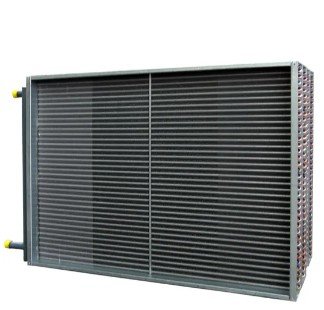
1.Low-Humidity Cleanroom Configurations
For powder production requiring a dew point below 5°C, a combination of dehumidifiers and after-coolers is recommended, despite higher investment and operating costs.
2.Addressing Moist Air Leakage
If cooling coils cannot meet humidity standards due to outdoor air infiltration, dehumidifiers must be installed. Increasing room pressure and improving the sealing of ducts and enclosures can reduce leakage.
3.Summer Adjustment Logic
When there are fixed humidity requirements in summer, outdoor fresh air should be cooled first and then undergo isohygric heating to precisely regulate indoor RH.
4.Balancing Low Humidity and Human Comfort
- Some processes require RH below 40% to protect materials.
- Note: RH consistently below 30% can cause dry throats and eye discomfort for operators.
5.Anti-Static Humidification
In clean areas with static control requirements, humidification systems are necessary during cold, dry winters to mitigate static risks.
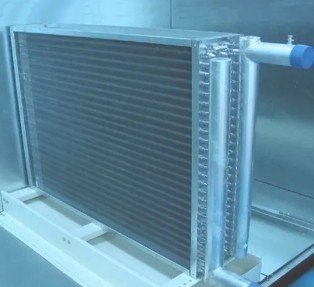
6.Humidifier Installation and Design
- Position: Typically located in front of the AHU terminal filter and after the cooling coil.
- Fan Protection: If placed upstream of the fan, the design must prevent water droplets from entering the fan inlet to avoid corrosion of bearings, pulleys, and belts.
- Electrical Safety: The drive motor and junction box must have a protection rating of IP54 or higher.
7.Contamination Source Prevention
- Humidifiers must not become a contamination source.
- If boiler steam contains anti-corrosive additives that pose a risk, pure or clean steam should be used for humidification instead.
8.Chemical Desiccants
Chemical desiccants like silica gel or lithium chloride may be used for humidity control, provided they do not produce secondary contamination.