Get a quoate
Facility Selection & Management Principles for Food Cleanrooms: A 10-Year Engineering Field Guide
Published : 2026-04-10After a decade in the food cleanroom engineering industry, I’ve noticed a recurring pattern: most enterprises “fall into the trap” when it comes to facility and equipment selection. Whether it’s failing to meet regulatory audit requirements or poor management leading to costly retrofits, these mistakes drain both time and capital.
In a food cleanroom, the core strategy should focus on two pillars: Regulatory Compliance and Manageability. You don’t necessarily need the most expensive high-end equipment; you need a setup that aligns with your specific production needs and guards the bottom line of food safety. Drawing from our hands-on experience at Hansen, here is a deep dive into avoiding common pitfalls in facility management.
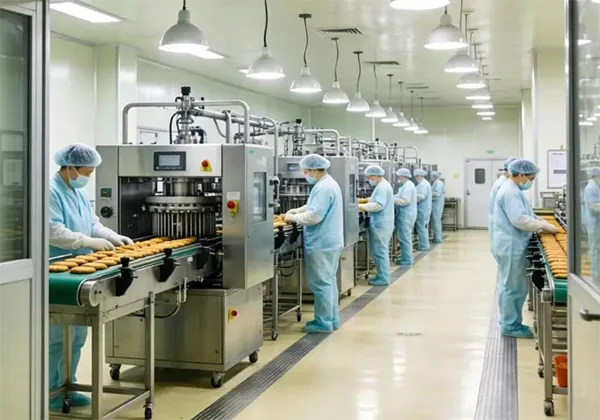
Facilities: The Foundation of Food Safety
Facilities are the “skeleton” of your cleanroom. From water supply to waste disposal, every detail is a focal point for regulatory audits.
1.1 Water Supply Systems
The goal is simple: Safety, Stability, and Zero Cross-Contamination.
- Pressure & Volume: Ensure water pressure and flow rates can keep up with production rhythms, especially during peak cleaning cycles.
- Separation of Lines: Potable water (for ingredients/cleaning) and non-potable water (for cooling/floors) must have completely separate piping. Pro Tip: Use color-coded pipes or clear labeling to prevent accidental cross-use.
- Material Integrity: All piping and storage must be non-toxic and corrosion-resistant. Avoid materials prone to rusting or flaking.
1.2 Drainage & Waste Management
Most odor and contamination issues in a workshop stem from poor drainage.
- The “Flow” Logic: Drainage must flow from high-cleanliness areas (Packaging/Dosing) to lower-cleanliness areas (Raw material washing).
- The Floor Drain Rule: Always install floor drains with water seals to prevent sewer gases and pests from entering the workshop. Ensure the flow is smooth with no “dead zones” where stagnant water can breed bacteria.
- Waste Containment: Use leak-proof, sealed containers for waste. If your process generates organic waste, ensure it is removed frequently to prevent fermentation and odor spread.
1.3 Personal Hygiene & Gowning Areas
Human error is the #1 source of contamination.
- Gowning Rooms: These must be spacious enough for staff shifts. Personal items (phones, bags) must be strictly separated from cleanroom workwear.
- Sanitization Stations: Entry points must feature non-manual faucets (sensor or foot-pedal) and hand disinfection units.
- Air Showers: For high-cleanliness zones, air showers are essential to remove particulates and hair from personnel before entry.
1.4 Ventilation & HVAC Systems
Ventilation isn’t just about fresh air; it’s about controlling the “invisible” environment.
- Positive Pressure: Clean areas must maintain higher pressure than “dirty” areas to ensure air only flows out, never in.
- Filtration: Use a multi-stage system (Primary > Medium > HEPA filters). Regularly monitor and replace filters to maintain air purity standards.
- Dust & Steam Control: Areas involving flour or frying require localized mechanical exhaust and dust collection systems to prevent airborne cross-contamination.
1.5 Lighting & Warehousing
- Safety Lighting: Above open food lines, use shatter-proof or explosion-proof fixtures. If a bulb breaks, no glass should ever reach the product.
- Smart Warehousing: Materials must be stored off the floor (at least 10cm) and away from walls (at least 30cm) to allow for airflow and easy pest inspection.
Equipment: Selection & Design Standards
Your production equipment is the heart of your operation. If it’s hard to clean, it’s a liability.
2.1 Production Equipment Material (SUS304/316)
Any surface touching food or ingredients must be:
- Non-toxic, non-absorbent, and corrosion-resistant.
- Material Choice: Generally, SUS304 or SUS316 stainless steel is the gold standard. It shouldn’t react with food acids or cleaning chemicals.
- Surface Finish: Surfaces must be smooth and free of cracks or pits where bacteria can hide.
2.2 Hygienic Design
- Seal Integrity: Moving parts (gears, motors) must be sealed to prevent lubricants or metal shavings from dripping into the food.
- Accessibility: Choose equipment that is “Easy to Clean” (CIP/COP friendly). If it takes four hours to disassemble a pump for cleaning, your staff might skip steps.
- Clearance: Fixed equipment should be mounted with enough clearance from the floor and walls to allow for thorough cleaning underneath.
2.3 Monitoring & Calibration
You cannot manage what you do not measure.
- Automated Logging: We encourage the use of automated sensors for temperature, humidity, and pressure.
- Regular Calibration: Gauges, scales, and thermometers must be calibrated on a strict schedule. A thermometer that is off by 2°C can be the difference between a safe product and a recall.
Final Thoughts from Hansen
At Suzhou Hansen Clean Technology, we have spent years specializing in the construction of food cleanrooms ranging from Class 100 to Class 300,000. We provide turnkey solutions—from initial CAD planning and HVAC design to final SC audit-compliant construction.
Our goal is to help you build a facility that isn’t just “clean” on paper, but efficient and compliant in daily operation. If you are planning a new food facility or need to upgrade your current equipment selection, feel free to reach out. We provide professional consultations to ensure your project stays on track and under budget.