Get a quoate
How to Choose the Right Cleanroom Flooring: A Comprehensive Selection Guide
Published : 2026-04-10Over my years in the cleanroom industry, I’ve found that flooring selection is often the most debated—and mistake-prone—aspect for our clients.
Choosing the right floor isn’t just about aesthetics; it directly impacts your ability to meet cleanliness standards, eases daily maintenance, and extends the facility’s lifespan. The wrong choice can lead to dust accumulation, cracking, corrosion, or static discharge—issues that can jeopardize your validation and disrupt production.
Selecting the perfect cleanroom floor doesn’t have to be complicated. The secret lies in balancing technical indicators with your specific industry requirements and budget.
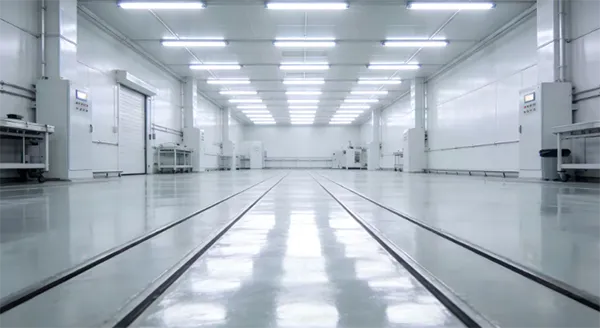
1.The Core Standards for Cleanroom Flooring
The best floor isn’t necessarily the most expensive; it is the one that meets the “hard” requirements of your environment:
- High Cleanliness & Ease of Decontamination: The surface must be seamless and non-porous to prevent dust buildup and microbial growth. It must withstand frequent mopping and aggressive sanitizers (GMP/ISO compliant).
- Mechanical Durability: Between heavy equipment and constant foot traffic, the floor must be resistant to abrasion, impact, and “peeling” or cracking under pressure.
- Chemical & Corrosion Resistance: In food, pharma, or lab settings, floors are exposed to acids, alkalis, and industrial cleaning agents. The material must remain stable without discoloring or degrading.
- ESD Performance (The Critical Factor): For electronics and semiconductors, static is the primary enemy. You must use anti-static flooring to maintain surface resistance within standard parameters, preventing damage to sensitive components.
- Slip Resistance: Especially in “wet” or “oily” zones (like food processing), the floor must provide adequate traction to ensure operator safety.
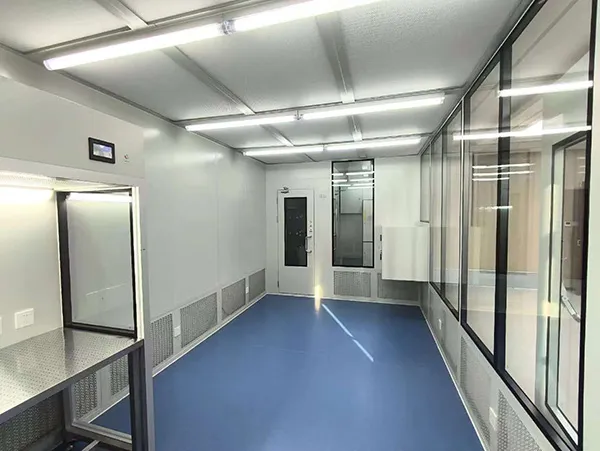
- Seamless Integration: Minimize joints and crevices where contaminants can hide. A clean, uniform finish also enhances the professional image of the facility.
2.Industry-Specific Recommendations
Every production environment has unique priorities. Here is a quick reference for the most common sectors:
- Electronics & Semiconductors: Static is your biggest risk. Priority should be given to ESD PVC Flooring or Anti-static Epoxy Self-leveling. These provide stable conductive paths and are highly reliable for meeting audit requirements.
- Pharmaceutical, Food, & Healthcare: Hygiene and GMP compliance are king. I recommend Epoxy Self-leveling or Homogeneous Vinyl (PVC) Rolls. These are seamless, anti-microbial, and easy to sterilize—perfect for food-grade or clinical environments.
- Chemicals & Laboratories: Focus on chemical resistance. Anti-corrosion Epoxy Self-leveling is the best choice here, as it effectively resists erosion from reagents and harsh cleaning cycles.
- General Industrial & Packaging: If you have a limited budget and moderate cleanliness needs, Standard PVC Rolls or high-quality Terrazzo are cost-effective, durable, and easy to maintain.
3.Installation & Maintenance: Don’t Ignore the Details
A floor’s performance is 50% material and 50% installation quality.
- Key Installation Factors: The substrate (base floor) must be flat, dry, and structurally sound. Avoid issues like “hollowing” or rising damp by strictly controlling temperature and humidity during the pour or layout process.
- Routine Maintenance: Avoid dragging sharp or heavy objects directly across the surface. Use neutral cleaning agents for daily care. If an epoxy floor suffers minor damage, seek professional repair immediately to prevent the breach from expanding.
Choosing cleanroom flooring is essentially finding the equilibrium between Cleanliness, Durability, Safety, and Budget. By identifying your core industry needs, you can ensure a successful, long-term installation.
Suzhou Hansen Clean Technology provides comprehensive turnkey engineering for cleanrooms ranging from Class 10 to Class 300,000 (ISO 4 – ISO 8). Our expertise spans electronics, food processing, labs, and medical facilities—from initial consulting and CAD design to final construction and validation.
Do you have questions about flooring materials, facility retrofits, or new cleanroom construction? Leave a message below, and our engineering team will provide a professional consultation at no cost.